Senegal
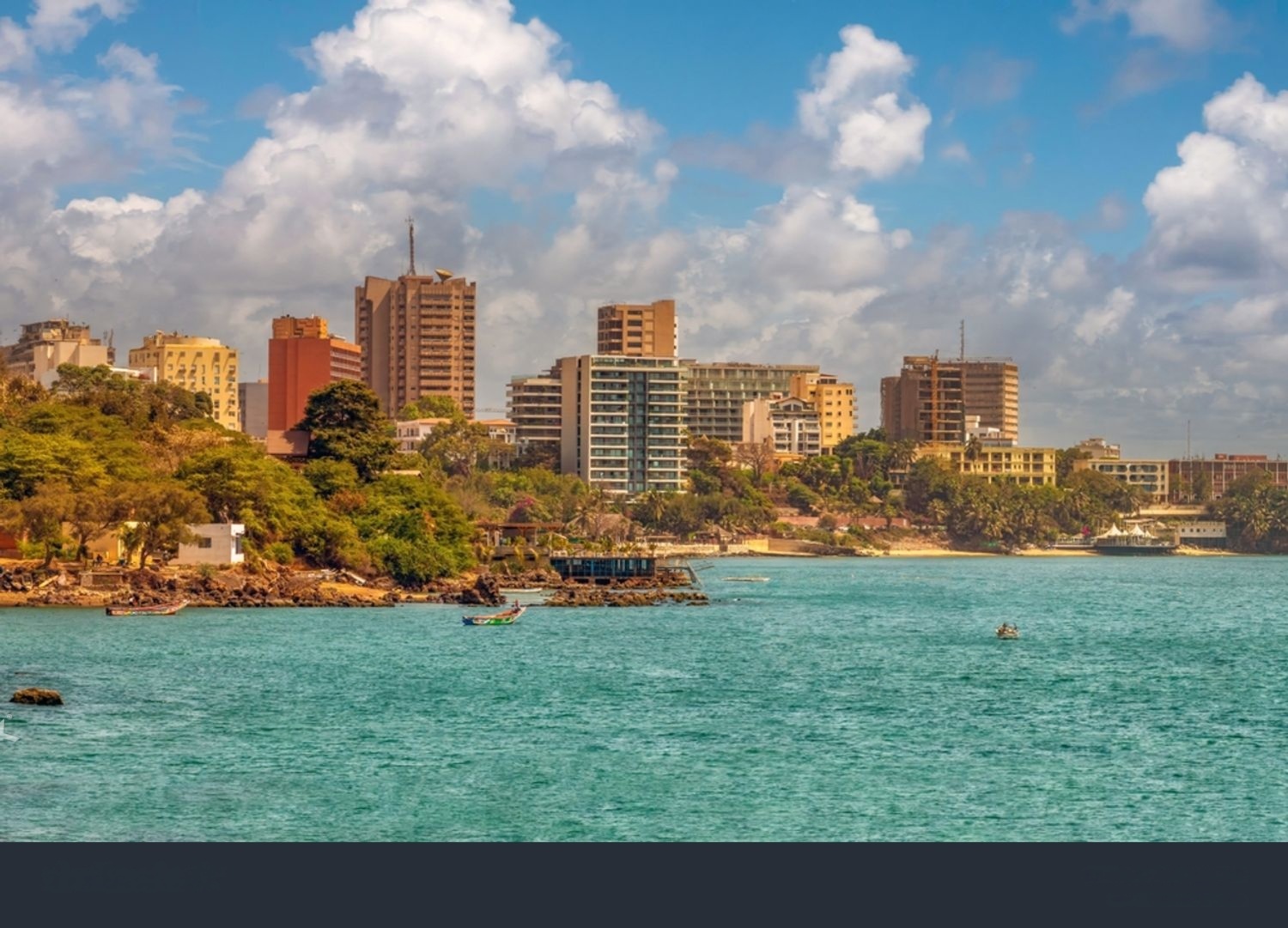
Senegal sits on the West African coast. The country blends deep history with a bright, modern arts scene. From Dakar’s museums to island heritage, culture is part of daily life.
You will find contemporary art, music that carries late into the night, craft traditions, and strong community spaces. Many venues share programs in French and Wolof.
People are warm and welcoming. Respectful greetings matter. Ask before taking photos and dress modestly at religious sites.
1. Languages: French official, Wolof widely spoken
2. Best time: November to May is cooler and dry
3. Getting around: Taxis in the city, ferry to Gorée Island
4. Plateau district, easy taxi access
5. Weekdays are quieter
Capital: Dakar
Population: ~17 million
Currency: West African CFA Franc (XOF)
Language: French (plus Wolof )
Music: Mbalax is the city sound; live shows most nights
UNESCO site Gorée Island (plus national parks and museums)
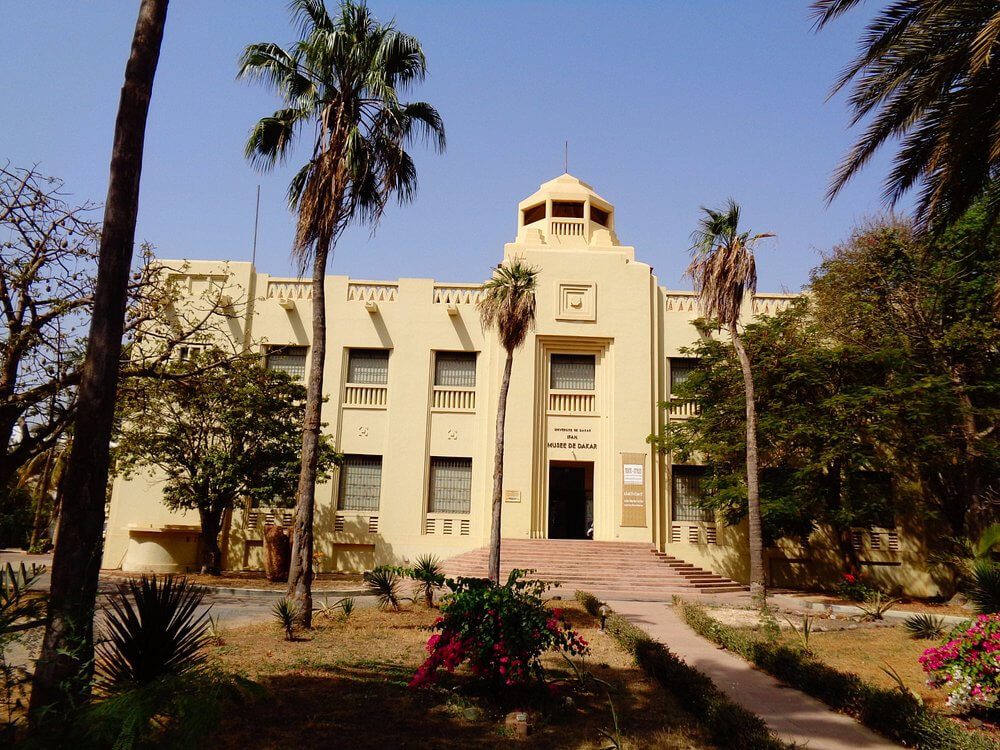
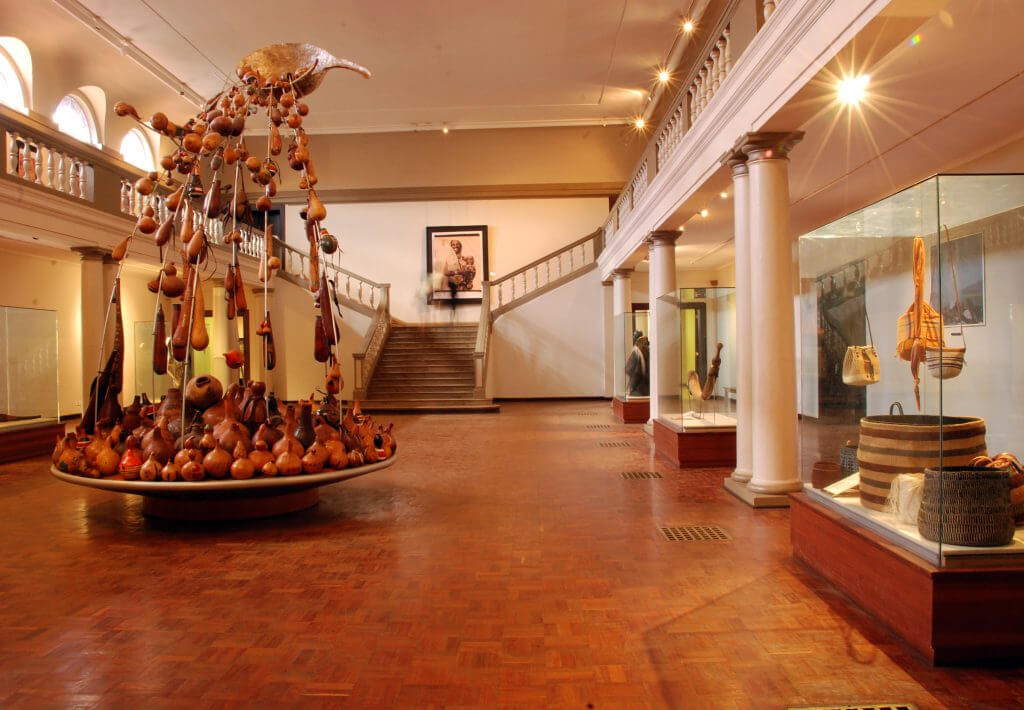
Dakar leads with major museums and galleries. Expect rotating shows, research spaces, and public art.
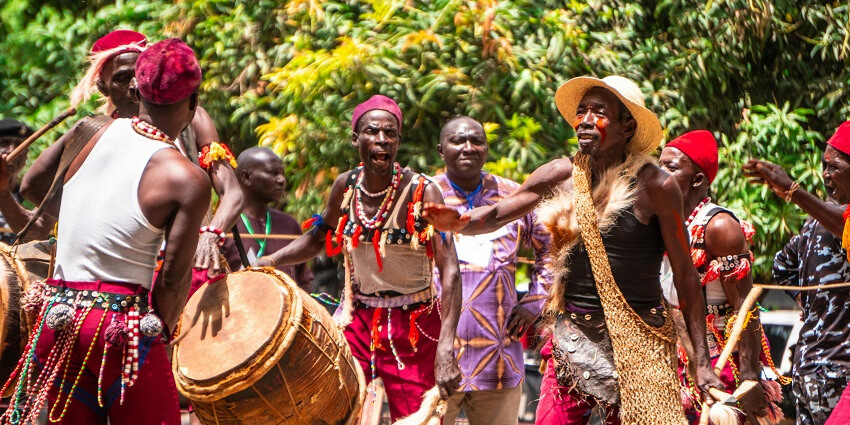
From mbalax to jazz, music is everywhere. Many cities host festivals and late-night venues.
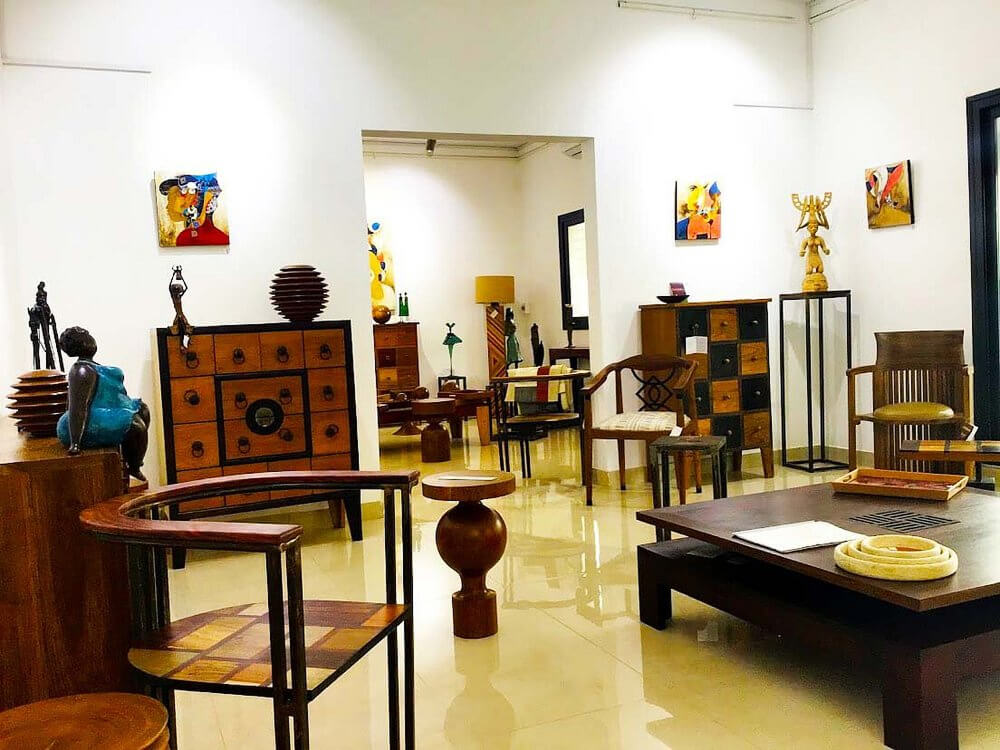
Textiles, tapestry, woodwork, and jewelry show strong craft skills. Markets are great for meeting makers.
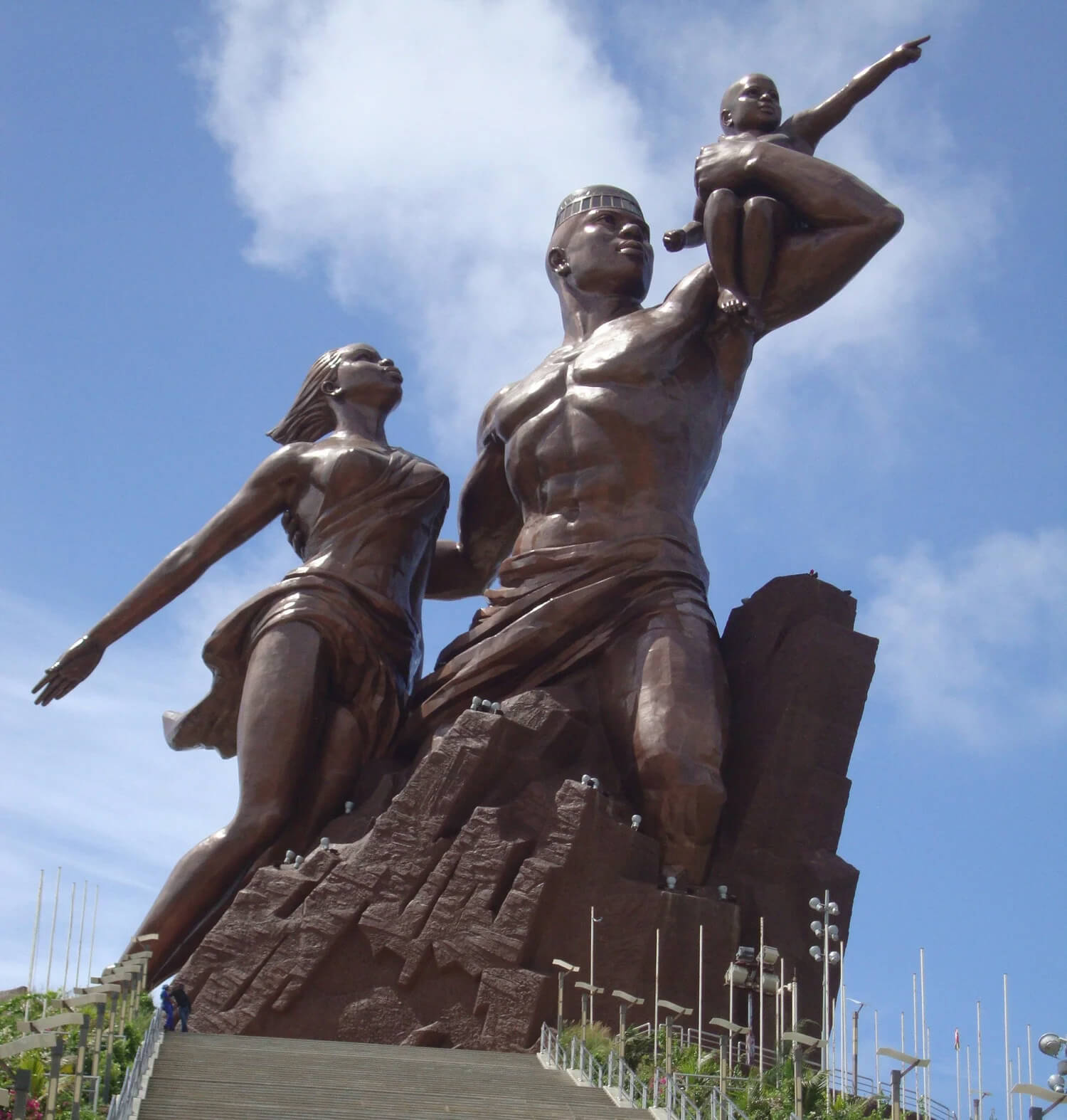
Gorée Island and key museums hold powerful history. Guided visits help with context and care.
Coastal capital where history meets fresh creative energy. Museums, galleries and music sit close to the sea.
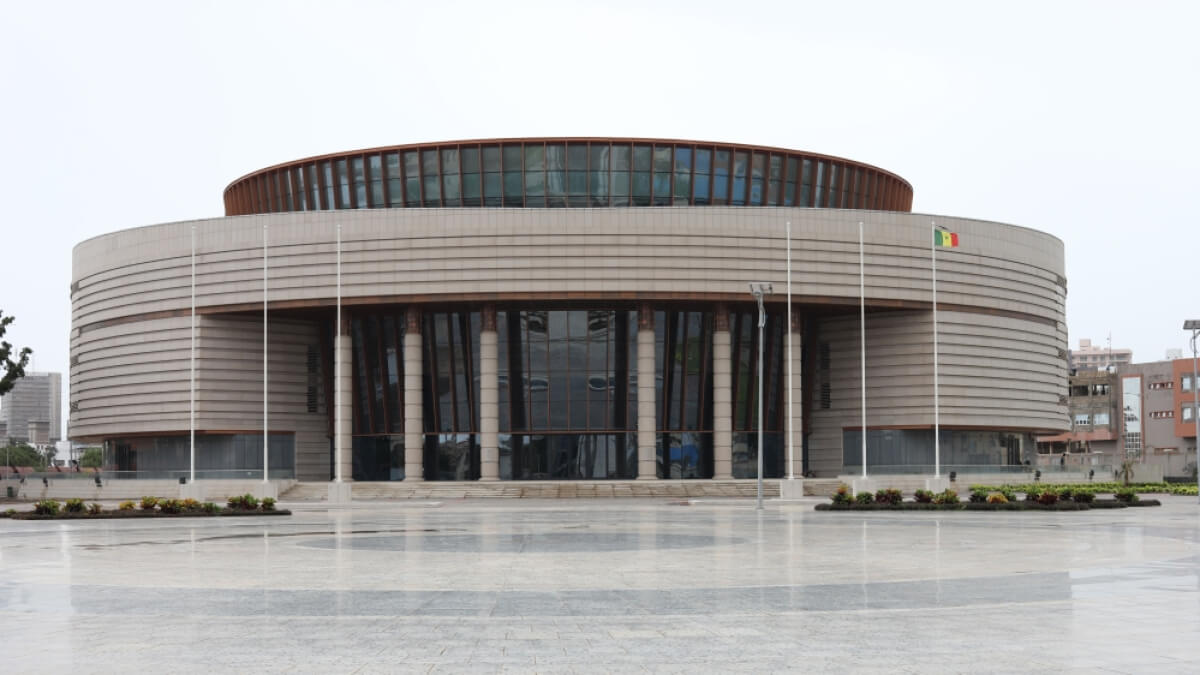
Dakar, Senegal
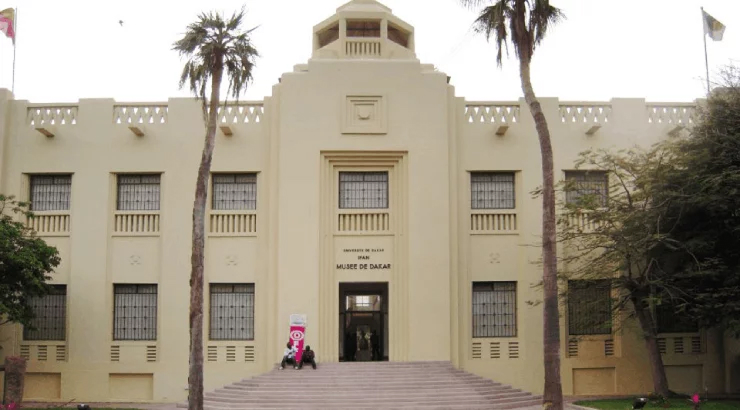
Dakar, Senegal
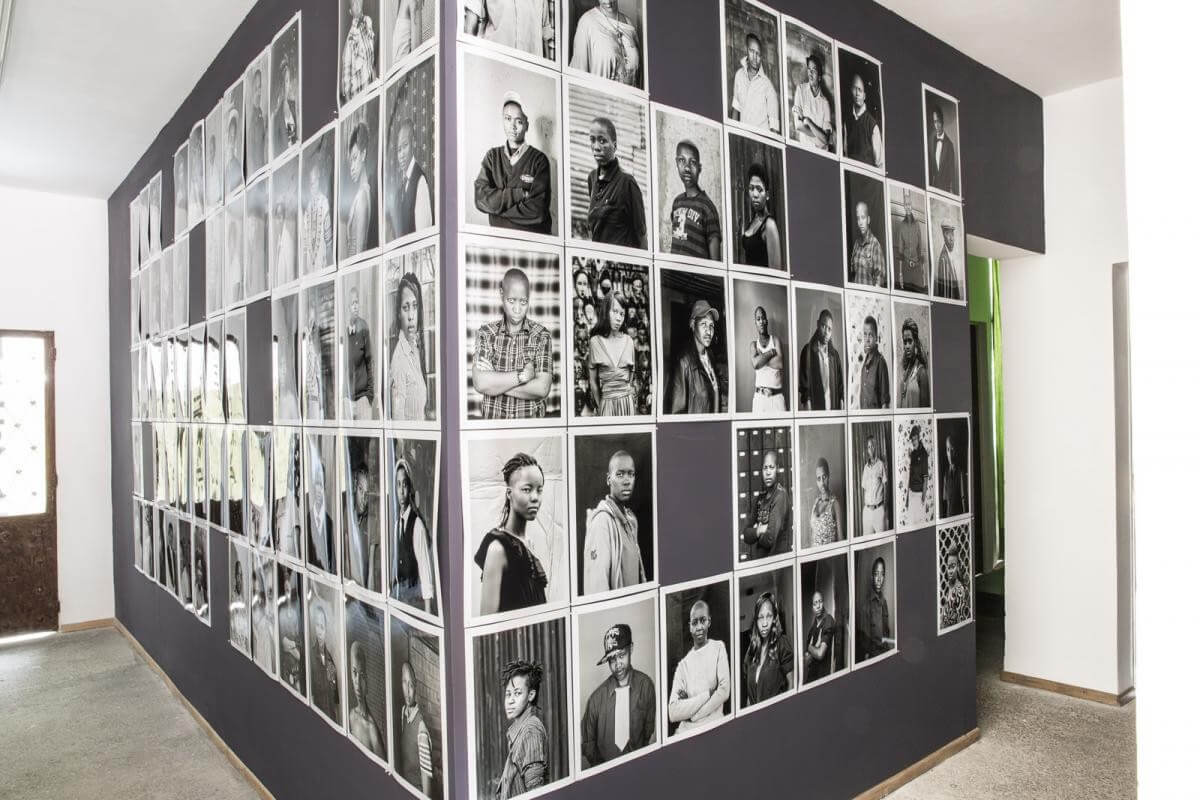
Dakar, Senegal
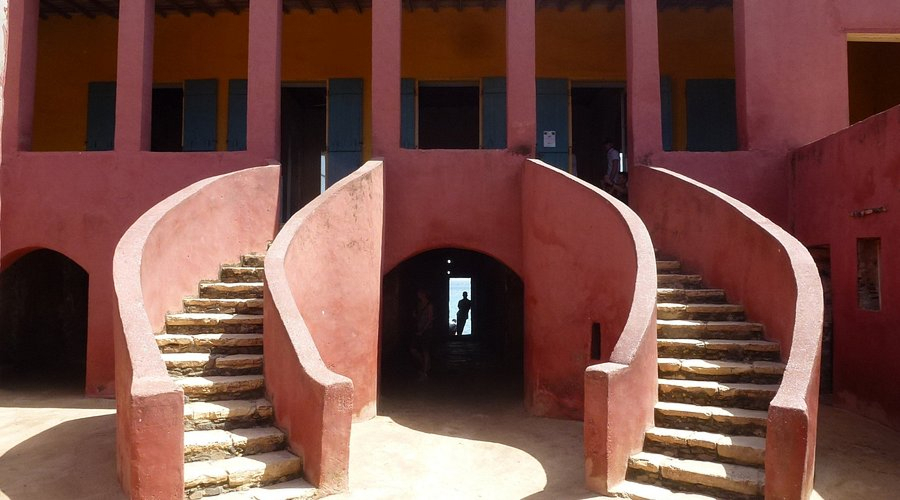
Gorée Island, Senega
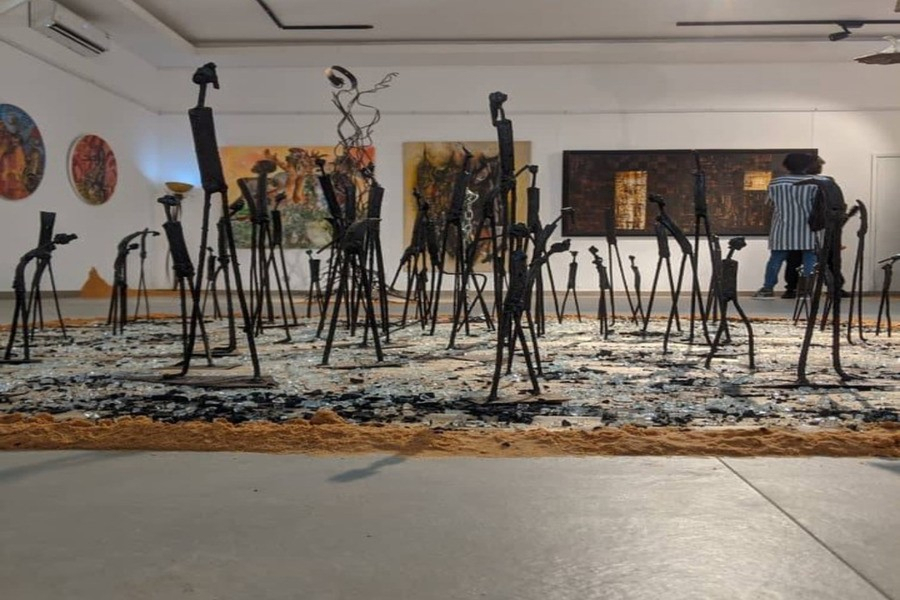
Dakar, Senegal
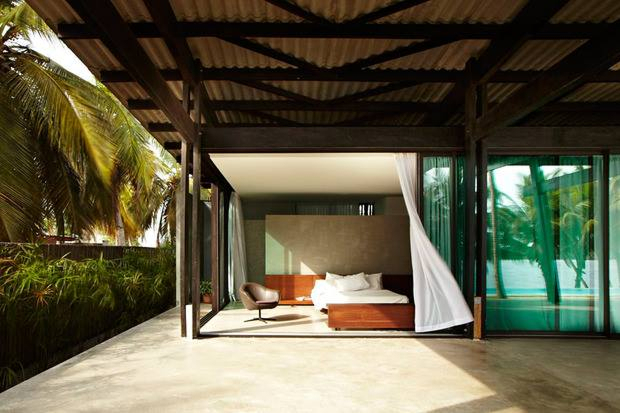
Dakar, Senegal

Dakar, Senegal

Dakar, Senegal
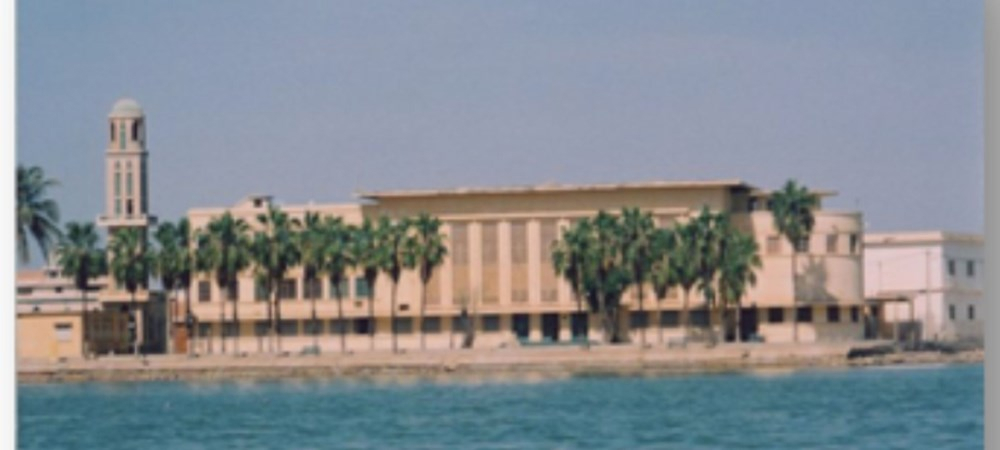
Saint Louis, Senegal
Saint Louis Senegal
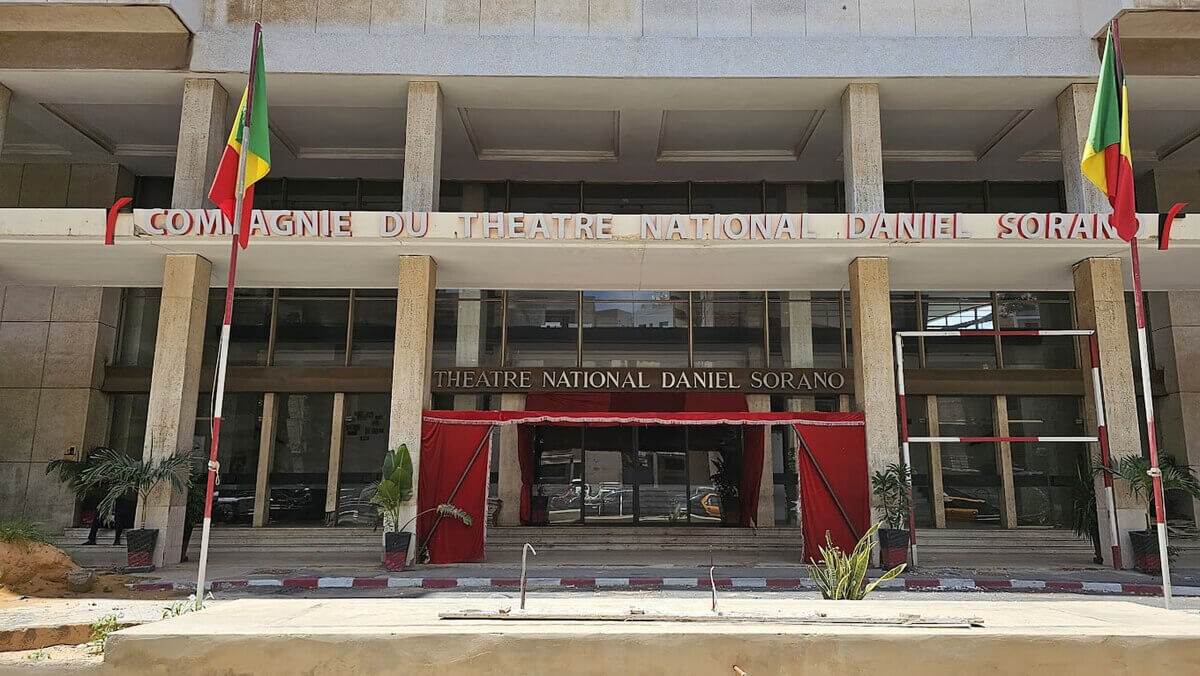
Dakar, Senegal
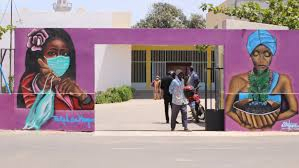
Dakar, Senegal